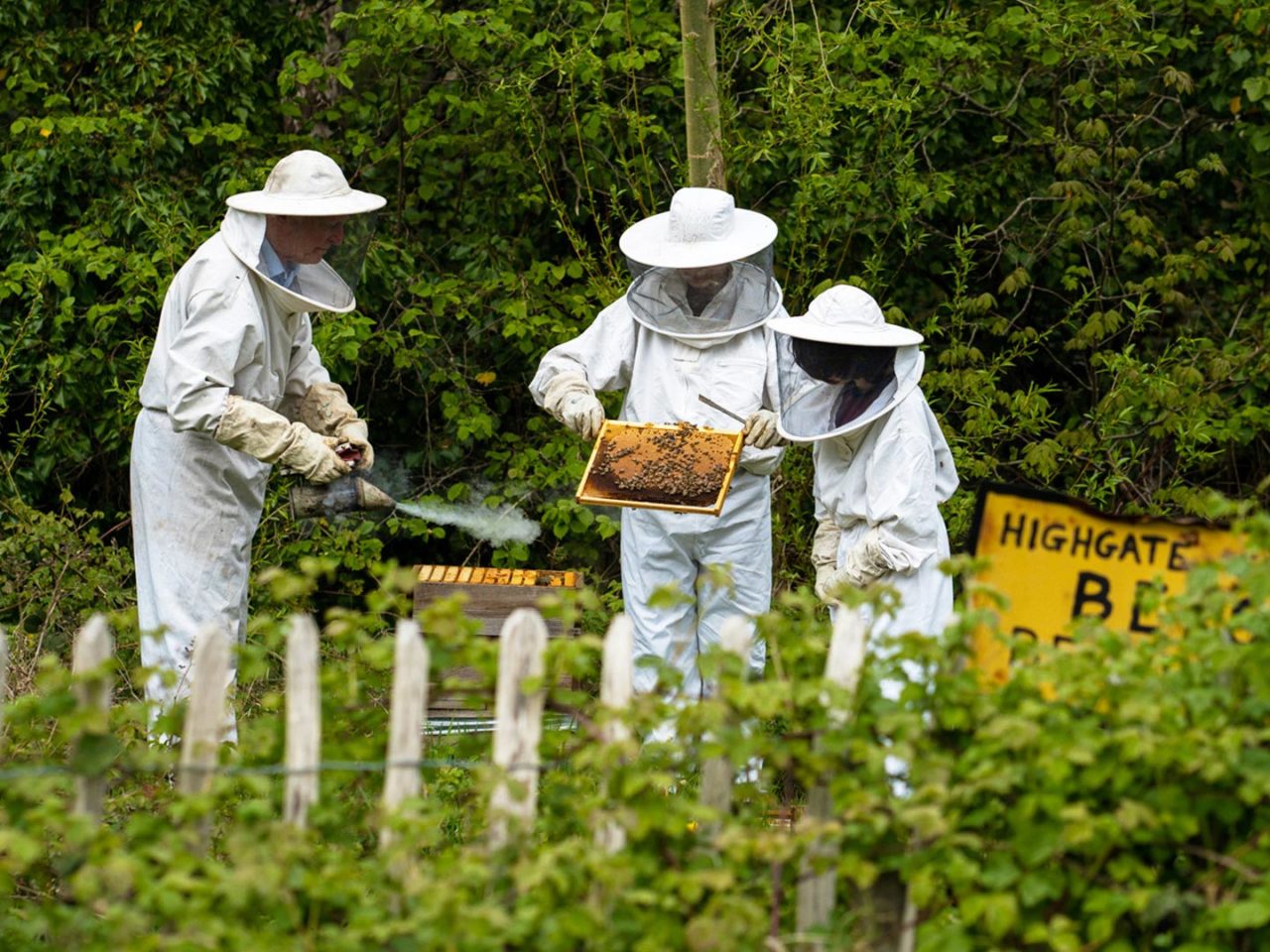
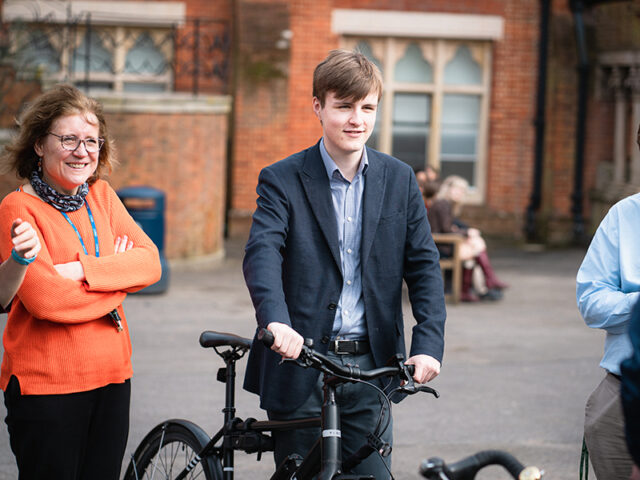
From wild meadows and meat free Mondays to Fast Fashion Free February and Walk and Talk to school days (to reduce carbon emissions), Highgate has a strong focus on sustainability. There are numerous opportunities for our pupils to take part in projects that are dedicated to this cause. Our pupil-led Environment Committee hosts regular meeting and events to put the reduction of carbon footprint top of the agenda.
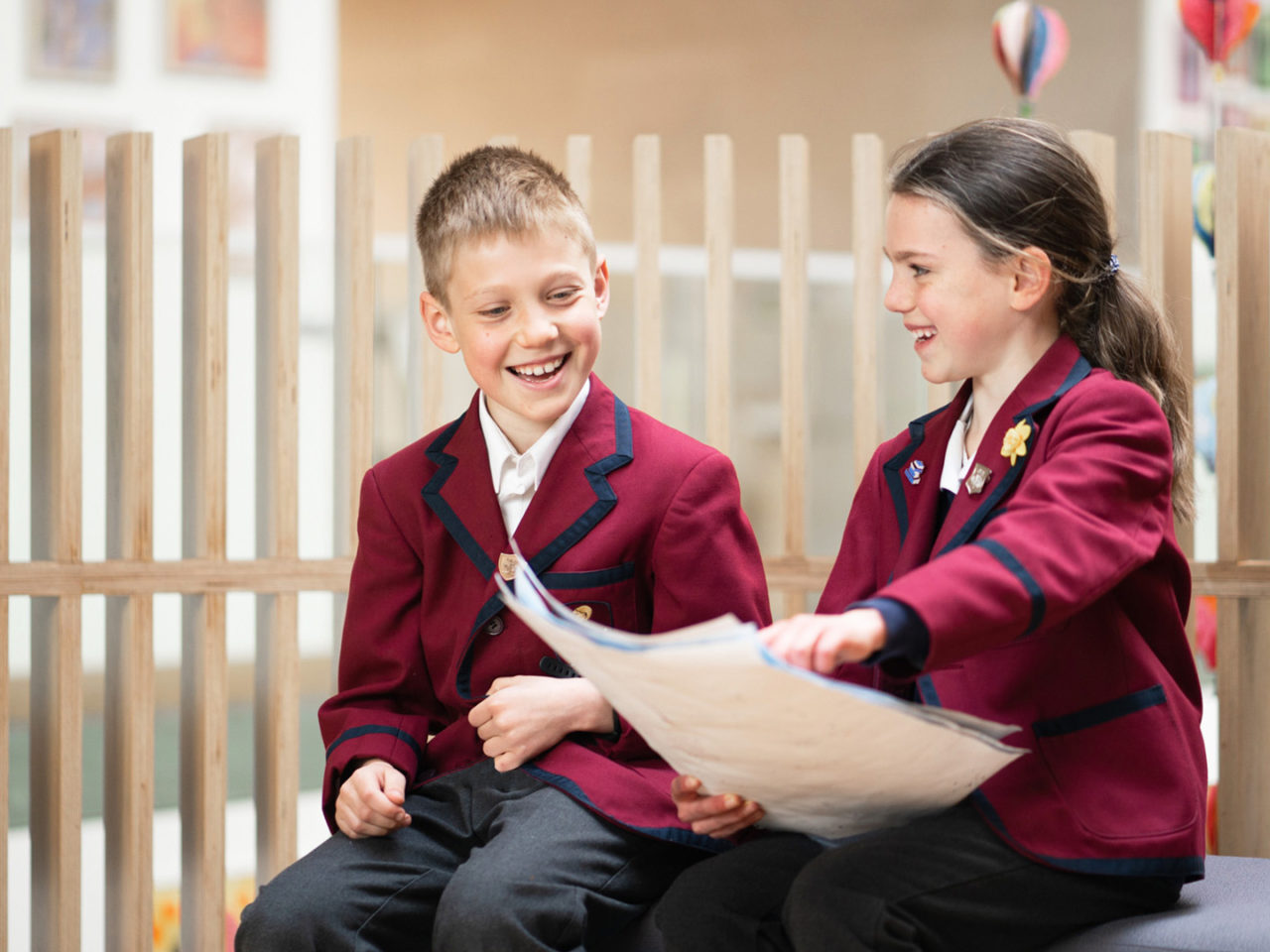
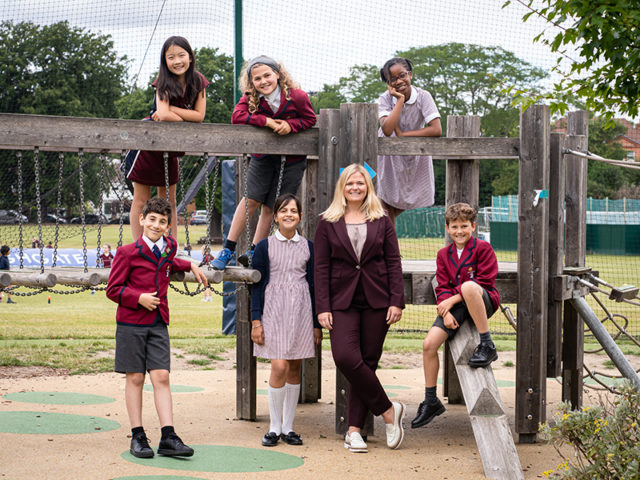
Being part of a community and partnering with other schools and organisations outside of Highgate allows children in our Junior School to see beyond their own circumstances. Understanding and learning the importance of kindness and empathy are key values we focus on. Pupils take part in a number of related projects – recently we’ve had Bands on the Run which is a touring orchestra visiting local state schools and Silver Stories, an over-the-phone reading initiative with local elderly residents during lockdown.

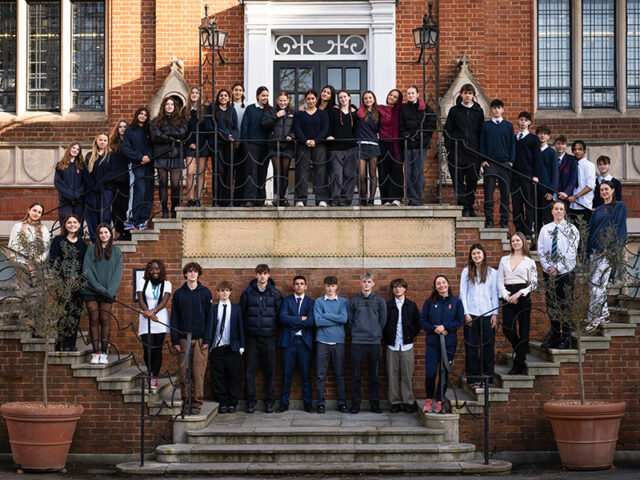
Highgate Sixth Form offers 30 A level options to around 350 sixth formers. Our small class sizes and opportunities to go beyond the syllabus allow you to build your knowledge and study skills. We provide extensive support for future academic endeavours and careers.
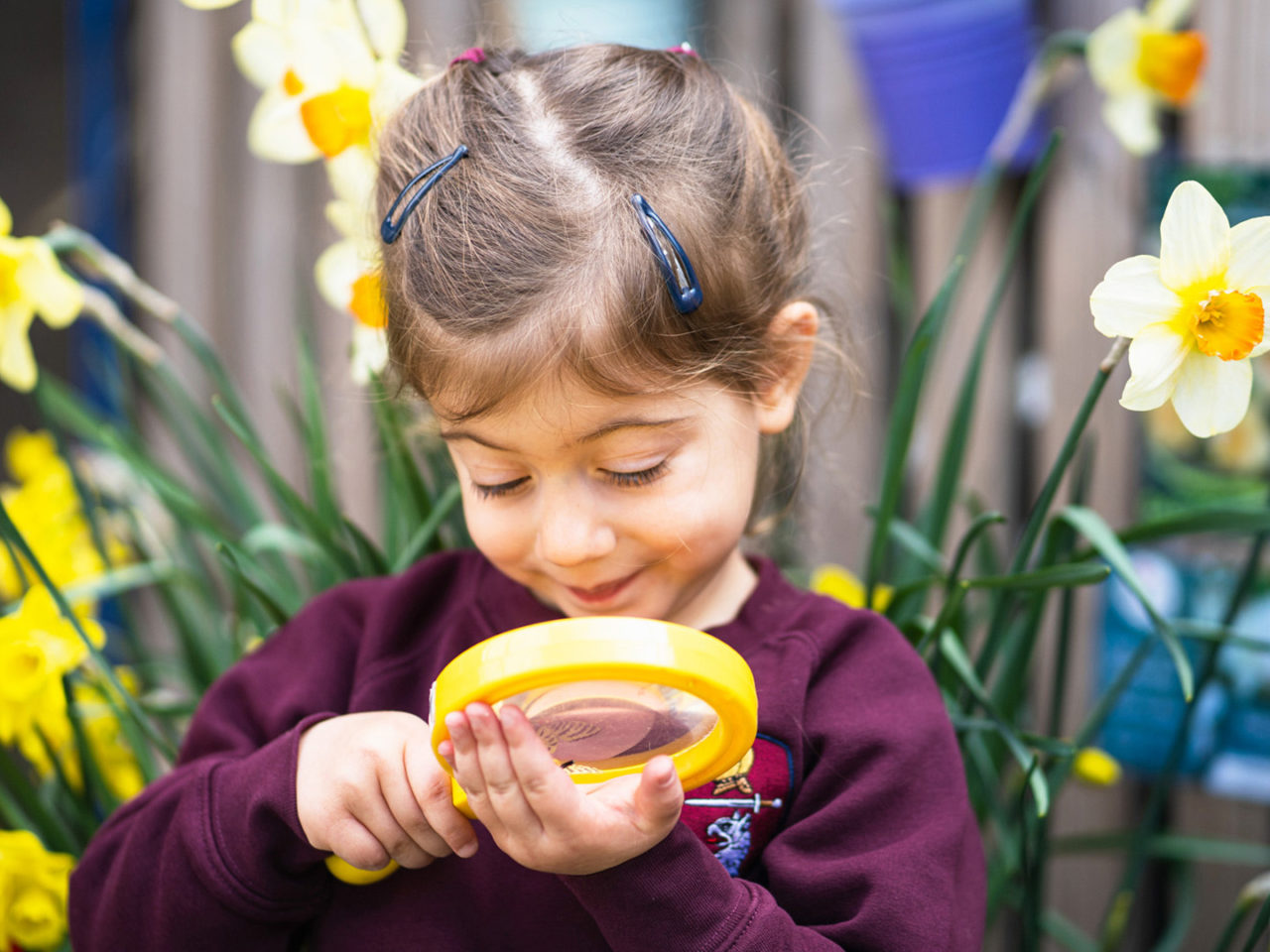
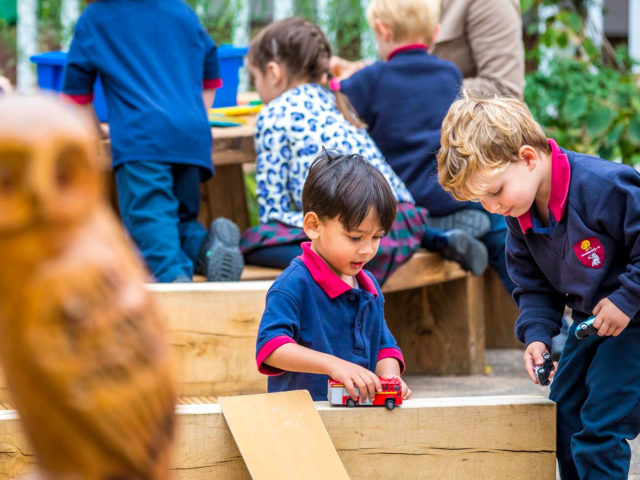
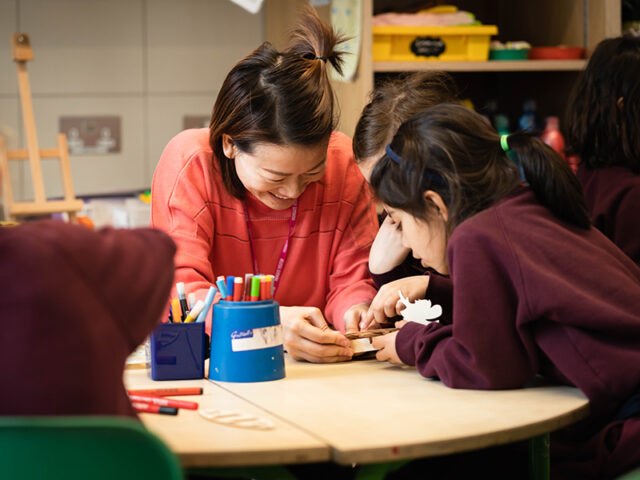
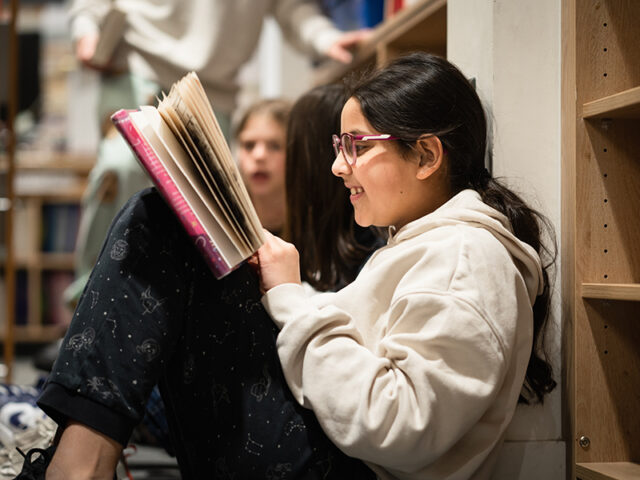
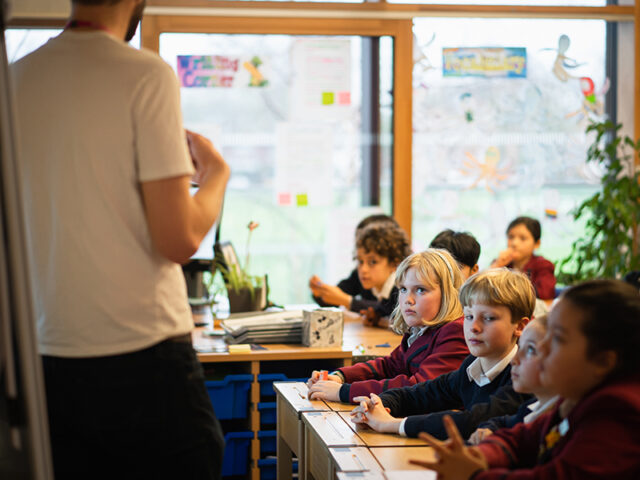
At Highgate we like to inspire curiosity and a love of learning in our pupils from an early age. Whether that means exploring the magic of nature through our Forest School, making new friends through co-curricular clubs or discovering the joy of reading, there are lots of exciting opportunities for children to learn about the world around them in a safe and nurturing environment.
Highgate School
Highgate is a co-educational day school for pupils aged 4-18.
Highgate is one of the UK’s leading co-educational independent schools. Founded over 450 years ago, we welcome pupils, aged 4 to 18, from a range of backgrounds across London.
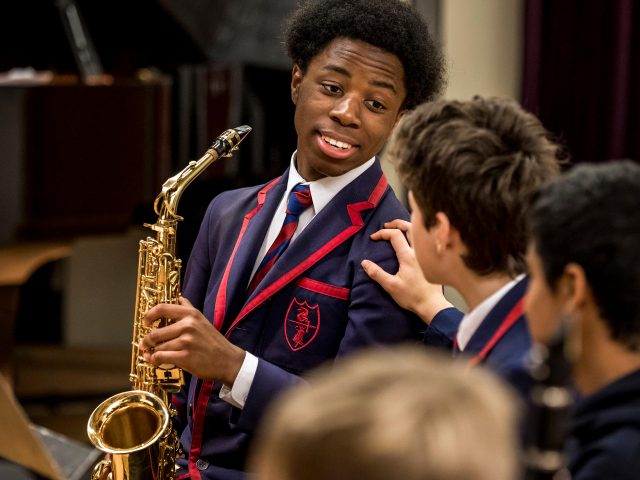
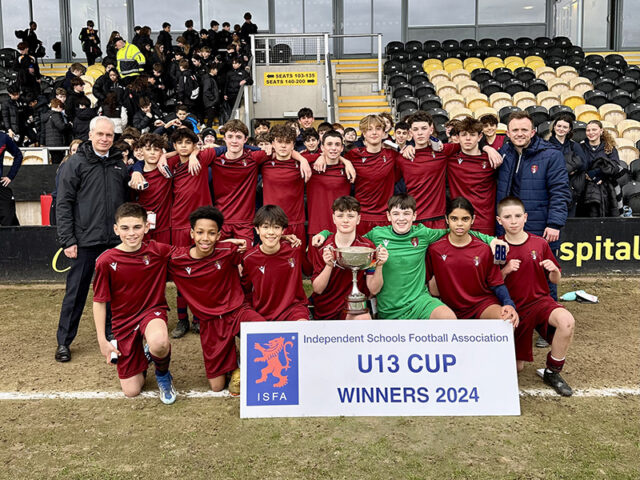
Highgate offers high-calibre, academically-minded teaching with a focus on scholarship and independence for all, rather than on exam outcomes. Our varied co-curricular activities, and our wide-reaching programme of community service, help our pupils develop interests and hobbies, forge lasting friendships, belong to teams, ensembles and casts, and learn the value of community.
We believe in making the most of childhood and adolescence; we want our young people to leave us intellectually and emotionally prepared for higher study and for work, and for playing a transformative role in their communities. And we want them to make great friends, too.
—Adam Pettitt, Head
Highgate News
NEW 7+ Bursaries
Our bursary programme has been extended to include the Junior School, which means children from age 7 will be able to benefit from a Highgate education.
It is our intention that bursaries will cover 50%-100% of the fees, making a Highgate education more accessible to a wider group of academically able children.
A gift of £11,000, made over one or several years, from one family or in partnership with others, could create a new, 50% assisted place for a child throughout their time at Highgate, from Year 3 to Year 13
To apply for one of the 7+ bursaries click here
To find out about donating to our bursaries click here
Every child should have opportunity to achieve their full potential. Charles, previous bursary recipient
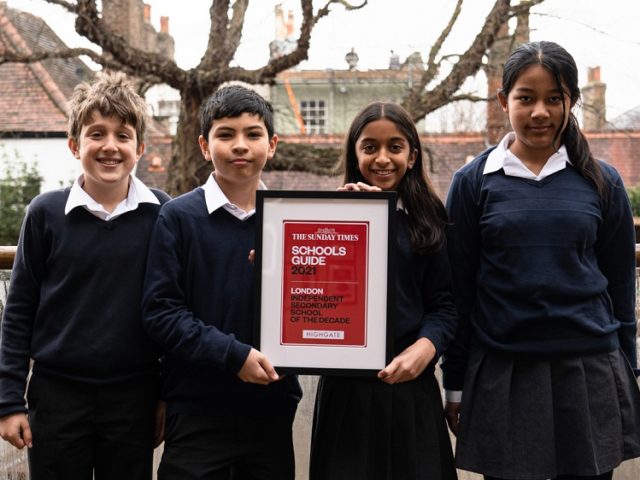
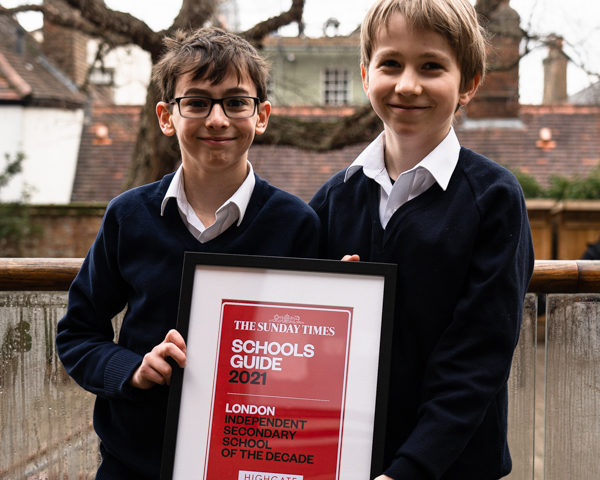
Year 13 exams graded A*-A in 2023
GCSE entries graded 7-9 (A*-A) in 2023
More about inclusion than competitiveness.
—Parent
18 different languages spoken by pupils at home

Highgate People
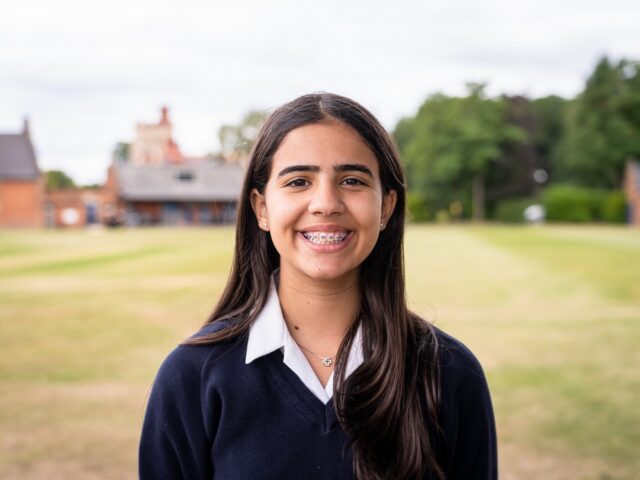
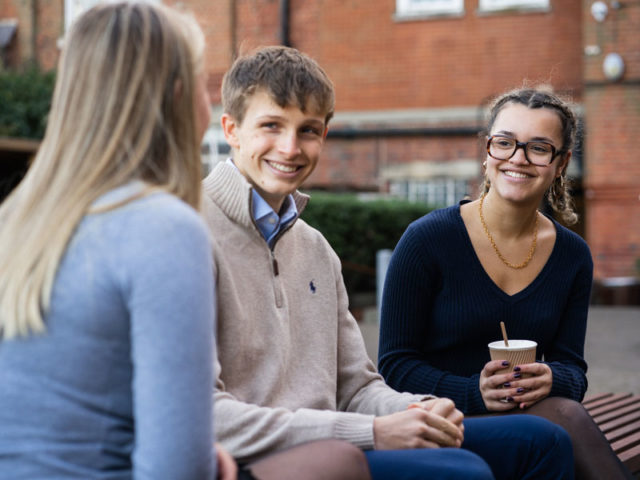
‘I love how inclusive the school is and how many new people you can meet’
Y8
Angelina
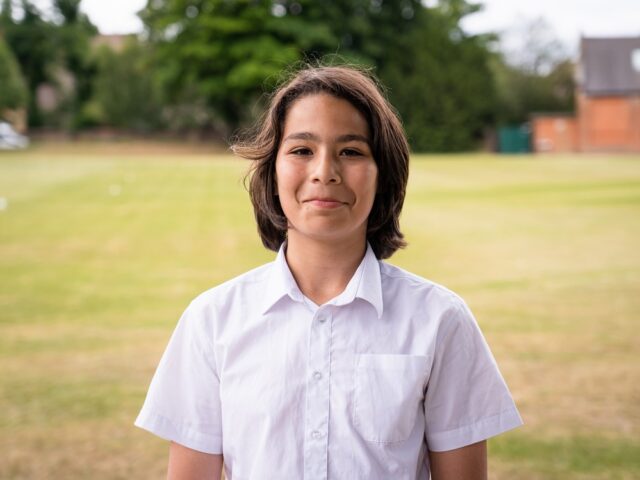
‘I love all the fun sports options and all the kind support.’
Y8
Anvar
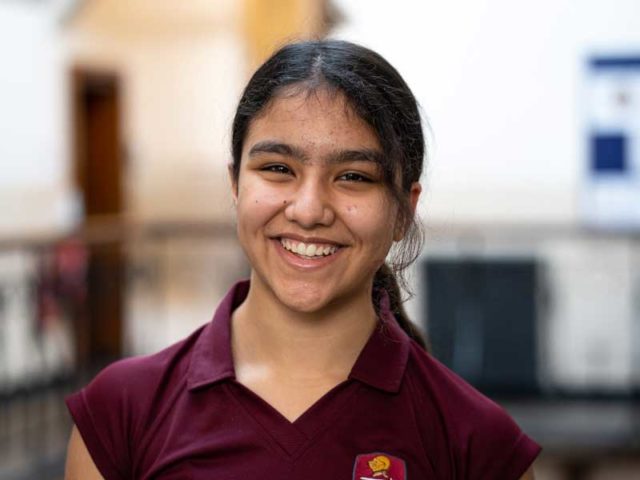
‘The range of co-curricular activities offered at Highgate is phenomenal! There is always an opportunity to experience something new and interesting; I have tried everything from fencing to sewing. Then I discovered the Robotics Club and have been part of it ever since.’
Y10
Maya
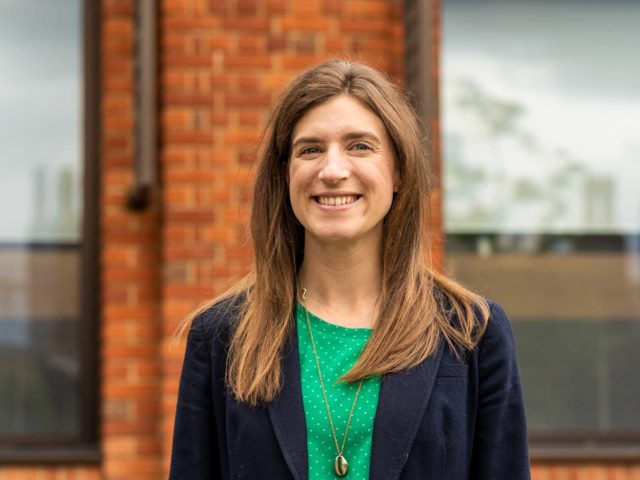
‘Every other year, my Department takes GCSE pupils to Iceland. It’s an incredible trip and chance to get up close with some of the environments and landforms studied in class.‘
Geography teacher
Ms Mynott
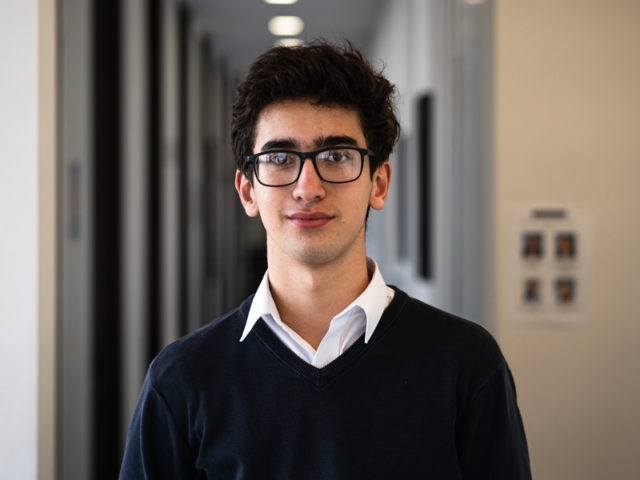
‘I really like that there’s lots of variety and opportunity to try different sports, and the amount of training and effort that goes into nurturing those talents.’
Y11
Fernando